

https://cairoict.com/trade-visitor-registration/ https://cairoict.com/trade-visitor-registration/ https://cairoict.com/trade-visitor-registration/
الإثنين, 11 مايو, 2026
سياسة الخصوصية
من نجن
No Result
View All Result
  • آخر الأخبار
  • أمن إلكتروني
  • خدمات مالية
  • تقنيات ومنصات
  • ريادة أعمال
  • عالم الألعاب
  • مدن المستقبل
  • أحدث المنتجات
  • ترند
  • English
Techno fin
No Result
View All Result
  • آخر الأخبار
  • أمن إلكتروني
  • خدمات مالية
  • تقنيات ومنصات
  • ريادة أعمال
  • عالم الألعاب
  • مدن المستقبل
  • أحدث المنتجات
  • ترند
  • English

A recent Satacom campaign has delivered a browser extension that steals cryptocurrency

by تكنو فن
يونيو 19, 2023
Reading Time: 4 mins read
A A
A malicious extension for the Chrome, Brave, and Opera browsers is used to steal cryptocurrency from victims as a part of a recent Satacom campaign discovered by Kaspersky. Nearly 30,000 users were at risk of being targeted during the last two months. The attackers have implemented a range of malicious actions to ensure that the extension remains undetected while the unsuspecting user browses the targeted cryptocurrency exchange websites, including Coinbase and Binance. In addition, the extension enables threat actors to conceal any transaction notifications sent to the victim by these websites to stealthily steal their cryptocurrency. A detailed report on this campaign is available on Securelist. The recent campaign is linked to the Satacom downloader, a notorious malware family active since 2019 and mainly delivered via malvertising placed on third-party websites. The malicious links or ads redirect users to fake file-sharing services and other malicious pages offering to download an archive containing the Satacom Downloader. In the case of this recent campaign, it downloads the malicious browser extension. The latest campaign installs a browser extension that steals cryptocurrency and conceals its activity The campaign's primary objective is to steal bitcoin (BTC) from victims' accounts by performing web injections to targeted cryptocurrency websites. However, the malware can be easily modified to target other cryptocurrencies. The malware attempts to achieve its objective by installing an extension for Chromium-based browsers – such as Chrome, Brave and Opera – and targeting individual users holding cryptocurrency worldwide. Kaspersky telemetry data reveals that during April and May, nearly 30,000 individuals were at risk of being targeted by the campaign. In the last two months, the countries most affected by this threat were Brazil, Mexico, Algeria, Turkey, India, Vietnam, and Indonesia. The malicious extension performs browser manipulations while the user is surfing targeted cryptocurrency exchange websites. The campaign targets Coinbase, Bybit, Kucoin, Huobi and Binance users. Besides stealing cryptocurrency, the extension carries out additional actions to conceal its primary activity. For instance, it hides email confirmations of transactions and modifies existing email threads from cryptocurrency websites to create fake threads that resemble the real ones. In this campaign, the threat actors don't need to find ways to sneak into official extension stores since they use Satacom downloader for delivery. The initial infection begins with a ZIP archive file, which is downloaded from a website that seems to mimic software portals allowing the user to download desired (often cracked) software for free. Satacom usually downloads various binaries onto the victim’s machine. This time Kaspersky researchers observe a PowerShell script that performs the installation of a malicious browser extension. Then, a series of malicious actions allow the extension to run stealthily while the user is browsing the internet. As a result, threat actors become capable of transferring the BTC from the victim’s wallet to their wallet using web injections. "Cybercriminals have enhanced the extension by adding the ability to control it through script changes. This means that they can easily start targeting other cryptocurrencies. Moreover, since the extension is browser-based, it can target Windows, Linux and macOS platforms. As a precaution, users are advised to regularly check their online accounts for any suspicious activity and use reliable security solutions to protect themselves from threats like these," said Haim Zigel, malware analyst at Kaspersky.

A malicious extension for the Chrome, Brave, and Opera browsers is used to steal cryptocurrency from victims as a part of a recent Satacom campaign discovered by Kaspersky. Nearly 30,000 users were at risk of being targeted during the last two months. The attackers have implemented a range of malicious actions to ensure that the extension remains undetected while the unsuspecting user browses the targeted cryptocurrency exchange websites, including Coinbase and Binance. In addition, the extension enables threat actors to conceal any transaction notifications sent to the victim by these websites to stealthily steal their cryptocurrency. A detailed report on this campaign is available on Securelist.

 The recent campaign is linked to the Satacom downloader, a notorious malware family active since 2019 and mainly delivered via malvertising placed on third-party websites. The malicious links or ads redirect users to fake file-sharing services and other malicious pages offering to download an archive containing the Satacom Downloader. In the case of this recent campaign, it downloads the malicious browser extension.

The latest campaign installs a browser extension that steals cryptocurrency and conceals its activity

The campaign’s primary objective is to steal bitcoin (BTC) from victims’ accounts by performing web injections to targeted cryptocurrency websites. However, the malware can be easily modified to target other cryptocurrencies. The malware attempts to achieve its objective by installing an extension for Chromium-based browsers – such as Chrome, Brave and Opera – and targeting individual users holding cryptocurrency worldwide. Kaspersky telemetry data reveals that during April and May, nearly 30,000 individuals were at risk of being targeted by the campaign. In the last two months, the countries most affected by this threat were Brazil, Mexico, Algeria, Turkey, India, Vietnam, and Indonesia.

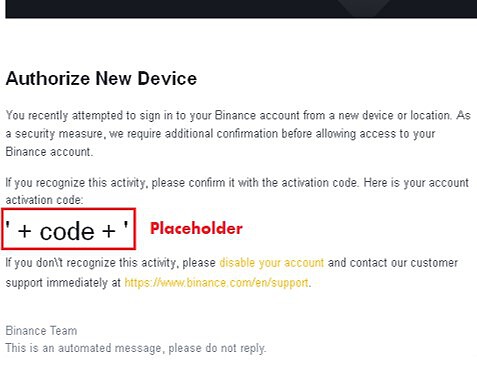
The malicious extension performs browser manipulations while the user is surfing targeted cryptocurrency exchange websites. The campaign targets Coinbase, Bybit, Kucoin, Huobi and Binance users. Besides stealing cryptocurrency, the extension carries out additional actions to conceal its primary activity. For instance, it hides email confirmations of transactions and modifies existing email threads from cryptocurrency websites to create fake threads that resemble the real ones.

In this campaign, the threat actors don’t need to find ways to sneak into official extension stores since they use Satacom downloader for delivery. The initial infection begins with a ZIP archive file, which is downloaded from a website that seems to mimic software portals allowing the user to download desired (often cracked) software for free. Satacom usually downloads various binaries onto the victim’s machine. This time Kaspersky researchers observe a PowerShell script that performs the installation of a malicious browser extension.

RelatedPosts

Catalyst Partners Middle East Reports EGP 42.7 Million Net Profit in Q1 2026

68% of Passwords Can Be Cracked Within One Day, Kaspersky Warns

Heirs Energies Boosts Nigeria Oil Operations with Starlink Connectivity

Then, a series of malicious actions allow the extension to run stealthily while the user is browsing the internet. As a result, threat actors become capable of transferring the BTC from the victim’s wallet to their wallet using web injections.

“Cybercriminals have enhanced the extension by adding the ability to control it through script changes. This means that they can easily start targeting other cryptocurrencies. Moreover, since the extension is browser-based, it can target Windows, Linux and macOS platforms. As a precaution, users are advised to regularly check their online accounts for any suspicious activity and use reliable security solutions to protect themselves from threats like these,” said Haim Zigel, malware analyst at Kaspersky.


شارك هذا الموضوع

  • المشاركة على WhatsApp (فتح في نافذة جديدة) WhatsApp
  • المشاركة على Telegram (فتح في نافذة جديدة) Telegram
  • المزيد
  • تدوينة
  • Tweet

مرتبط

Related Posts

كاتليست بارتنرز Catalyst Partners
English

Catalyst Partners Middle East Reports EGP 42.7 Million Net Profit in Q1 2026

مايو 11, 2026
passwords
English

68% of Passwords Can Be Cracked Within One Day, Kaspersky Warns

مايو 7, 2026
Heirs Energies
English

Heirs Energies Boosts Nigeria Oil Operations with Starlink Connectivity

مايو 6, 2026
سامي عبد الهادي، الشريك المؤسس والرئيس التنفيذي للعمليات في ڤولت Vault
English

Vault Strengthens Presence in Saudi Wealth Management Market

مايو 6, 2026
Load More

آخر الأخبار

كاتليست بارتنرز Catalyst Partners

Catalyst Partners Middle East Reports EGP 42.7 Million Net Profit in Q1 2026

مايو 11, 2026
كاتليست بارتنرز Catalyst Partners

كاتليست بارتنرز ميدل إيست تربح 42.7 مليون جنيه في الربع الأول من 2026

مايو 11, 2026
جمعية التطوير والتنمية تنعى الأستاذ شريف جمال المدير التنفيذي المساعد للجمعية

جمعية التطوير والتنمية تنعى الأستاذ شريف جمال المدير التنفيذي المساعد للجمعية

مايو 11, 2026
فيروس هانتا

كل ما تريد معرفته عن فيروس هانتا وأعراضه وطرق انتقاله

مايو 9, 2026
PlayStation

Sony تدخل عصر الذكاء الاصطناعي رسميًا داخل ألعاب PlayStation

مايو 9, 2026
No Result
View All Result
contact us: info@techno-fin.com Dubai:0553028804 Cairo:01150009990

Follow Us

All rights reserved to www.techno-fin.com, UAE, Sheikh Zayed Road, City Tower 2, 18th floor, office 1801
No Result
View All Result
  • آخر الأخبار
  • أمن إلكتروني
  • خدمات مالية
  • تقنيات ومنصات
  • ريادة أعمال
  • عالم الألعاب
  • مدن المستقبل
  • أحدث المنتجات
  • ترند
  • English

Go to mobile version